
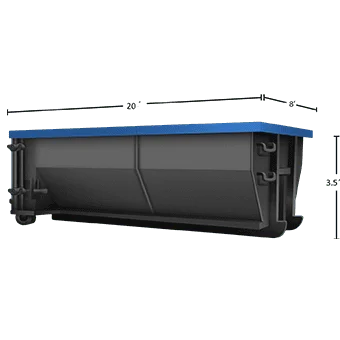
Give the container room to work
A roll-off is a container placed for loading and later collected by the appropriate vehicle. Explain the proposed position, entry and working space. The equipment needs a practical receiving and removal arrangement, not only an empty patch of ground.
Describe overhead or approach restrictions and the property surface. Ask about the offered container’s actual requirements before confirming its location. A public street or another managed area may need separate placement arrangements; do not assume a quote authorises that location.
Load for the agreed collection
Describe the materials before hire and follow the stated loading instructions. Keep unsuitable items out, stay within the agreed limits and preserve access for removal. Weight and volume can constrain the load differently.
If the work produces debris in stages, explain whether one container remains for the whole period or whether filled loads need exchanging. An exchange changes the collection and delivery sequence and should be included in the offer rather than requested as an assumed extra.
Know when the next step happens
Review the rental period and how collection or exchange is requested. Give a contact who can confirm that the load is ready and the approach is clear. If the material or schedule changes, discuss the revised service before loading beyond the original arrangement.
For a Saint Cloud quote, use Dumpster Rental and provide the destination, dates, materials and expected sequence. Compare the container and disposal terms together. Portable toilets are a separate hire for the crew, not part of a roll-off’s waste service.
Questions before you book
Does a roll-off rental automatically include a second empty container?
No. Describe any exchange requirement and have its collection and replacement arrangement stated in the offer.